You’re cutting a tomato. Your dog is watching. Eyes wide. Tail wagging. You pause. Can dogs eat tomatoes?
It’s a simple question. Yet, many pet parents get confused. Tomatoes look harmless, right? They’re healthy for us. Packed with vitamins. Juicy and fresh. But dogs? Well, they have different needs.
So, let’s dive deep. We’ll break it all down, we’ll talk safety, we’ll talk benefits, and yes, we’ll talk about the risks too.
After reading this, you’ll know when a tomato is a treat—and when it’s trouble.
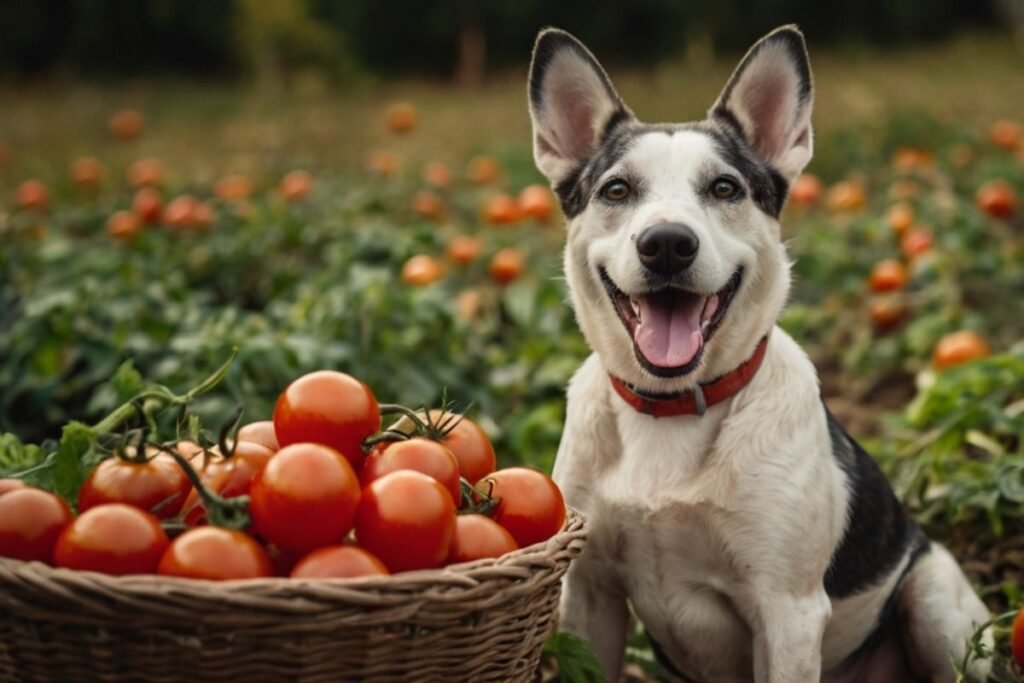
Table of Contents
The Quick Answer (Before We Go Deep)
Yes, dogs can eat ripe tomatoes. However, there’s a big catch here.
Only the ripe, red ones are safe. The green parts? Those are trouble. Green tomatoes, stems, and leaves contain tomatine. This compound can make your dog very sick.
So remember: Ripe red tomatoes = usually okay. Green parts = definitely not okay.
Now, let’s explore why this matters so much.
Also read, Can Dogs Eat Pineapple?
Why This Question Matters More Than You Think
Every year, thousands of dogs get sick from eating the wrong foods. Many of these cases happen at home. Often, loving pet parents simply don’t know the risks.
Here’s the thing: dogs aren’t small humans. Their bodies work differently. What’s healthy for us might harm them. Even foods that seem perfectly safe can cause problems.
That’s why understanding tomatoes is so important. They’re everywhere in our kitchens. Plus, many of us grow them in our gardens. Your curious pup might sneak a taste when you’re not looking.
Knowledge protects your dog. It also gives you confidence as a pet parent.
What Makes Tomatoes Special (And Sometimes Dangerous)
Tomatoes belong to the nightshade family. This group includes potatoes, peppers, and eggplants. All of these plants produce natural toxins. These toxins protect the plants from being eaten.
The main toxin in tomatoes is called tomatine. It’s concentrated in the green parts of the plant. When tomatoes ripen, the tomatine levels drop dramatically. That’s why red, ripe tomatoes are much safer.
Think of tomatine as the plant’s security system. It keeps bugs and animals away. Unfortunately, it can also make our dogs sick.
The Good Stuff: What’s Inside a Ripe Tomato
Before we talk about dangers, let’s look at the benefits. Ripe tomatoes contain many healthy compounds:
Vitamin C boosts the immune system. It helps fight off infections. Plus, it supports healthy skin and coat.
Potassium keeps the heart beating strong. It also helps muscles work properly. This mineral is essential for active dogs.
Folate supports cell growth. It’s especially important for growing puppies. Adult dogs need it too for healthy blood cells.
Fiber aids digestion. It helps food move through the system. Also, it can help dogs feel full without extra calories.
Lycopene gives tomatoes their red color. This antioxidant fights inflammation. Some studies suggest it might protect against cancer.
Water keeps dogs hydrated. Tomatoes are about 95% water. On hot days, this extra hydration can be helpful.
These nutrients sound great, right? They are! But only when tomatoes are served safely.
The Scary Stuff: Tomatine Explained
Now let’s talk about the dangerous compound. Tomatine is a glycoalkaloid. This big word simply means it’s a natural toxin. Plants make it to protect themselves.
You’ll find tomatine in these parts:
- Green tomatoes
- Stems
- Leaves
- Flowers
- Roots
Even the eyes of potatoes contain similar compounds. That’s why we remove potato eyes before cooking.
In small amounts, tomatine might not cause problems. However, larger amounts can be toxic. The exact amount depends on your dog’s size and sensitivity.
How Tomatine Affects Your Dog’s Body
When dogs eat too much tomatine, several things happen. First, it irritates the digestive system. This causes nausea and vomiting. Next, it affects the nervous system. This can cause weakness and confusion.
The toxin also impacts the heart. It can slow down the heart rate. In severe cases, this becomes dangerous.
Additionally, tomatine affects muscle function. Dogs might develop tremors. They might also become unsteady on their feet.
These symptoms can appear within hours. Sometimes, they take longer to show up. That’s why quick action is so important.
Warning Signs: When Your Dog Needs Help
If your dog ate green tomatoes or tomato plants, watch for these signs:
Digestive symptoms include vomiting and diarrhea. Your dog might also refuse food. Some dogs drool excessively.
Neurological symptoms are more serious. Look for weakness and confusion. Your dog might seem disoriented. The pupils might look larger than normal.
Cardiac symptoms affect the heart. You might notice a slow heart rate. Some dogs become very lethargic.
Muscle symptoms include tremors and twitching. Your dog might have trouble walking normally.
Any of these signs means it’s time to call your vet. Don’t wait to see if things improve. Early treatment works better than waiting.
The Right Way to Share Tomatoes
If you want to give your dog tomatoes, follow these important steps:
Start with selection. Choose only ripe, red tomatoes. They should be firm but not hard. Avoid any with green spots.
Wash thoroughly. Remove all pesticides and dirt. Even organic tomatoes need washing. Your dog’s system is more sensitive than yours.
Remove all green parts. Cut away the stem area completely. Check for any green spots. Even small amounts of green can cause problems.
Keep it plain. No salt, pepper, or other seasonings. Dogs don’t need these additions. Plus, many spices can harm them.
Start small. Give just a tiny piece first. Watch how your dog reacts. Some dogs have sensitive stomachs.
Monitor closely. After giving tomatoes, watch your dog. Look for any unusual behavior. Stop giving tomatoes if you notice problems.
Portion Sizes: How Much Is Safe?
The amount depends on your dog’s size. Here’s a simple guide:
Small dogs (under 25 pounds) can have 1-2 cherry tomato pieces. That’s about the size of a grape.
Medium dogs (25-60 pounds) can have 3-5 small pieces. Think about the size of a large grape.
Large dogs (over 60 pounds) can have up to half a medium tomato. Cut it into small pieces first.
Giant breeds can have slightly more. However, more isn’t necessarily better. Stick to moderate amounts.
Remember, these are occasional treats. Don’t give tomatoes every day. Once or twice a week is plenty.
Special Considerations for Puppies
Puppies have developing digestive systems. They’re more sensitive to new foods. Also, their smaller size means toxins affect them faster.
Most vets recommend waiting until puppies are at least 6 months old. Even then, start with tiny amounts. Watch very carefully for any reactions.
If your puppy accidentally eats tomato plants, call your vet immediately. Don’t wait for symptoms to appear. Puppies can become seriously ill very quickly.
Cooked Tomatoes: A Different Story
Cooking changes tomatoes in several ways. First, it breaks down some of the tomatine. This makes them safer in some ways. However, cooking also concentrates certain compounds.
Plain cooked tomatoes are generally safe. Steam them or boil them without adding anything. Let them cool before serving.
Tomato sauces are dangerous. They often contain garlic and onions. Both of these are toxic to dogs. They also have high salt content.
Ketchup is definitely off-limits. It’s loaded with sugar and salt. Some brands also contain artificial sweeteners. These can be deadly for dogs.
Tomato soup usually contains dairy and spices. Many dogs can’t digest dairy well. The spices might irritate their stomachs.
Pizza sauce combines multiple dangerous ingredients. Garlic, onions, and high salt make it risky. Never share pizza with your dog.
Cherry Tomatoes: Small but Mighty
Cherry tomatoes can be perfect for dogs. They’re naturally portion-controlled. Plus, they’re often sweeter than large tomatoes.
However, size creates a new problem. Whole cherry tomatoes can be choking hazards. This is especially true for small dogs.
Always cut cherry tomatoes in half. For very small dogs, cut them into quarters. This makes them much safer to eat.
Also, remove the stems completely. Even tiny stem pieces can be harmful.
Garden Safety: Protecting Your Dog
If you grow tomatoes, take extra precautions. Dogs are naturally curious. They might nibble on plants when you’re not watching.
Fence your garden to keep dogs out. Even a small barrier can help. Make sure it’s tall enough for your dog.
Train the “leave it” command. This skill can save your dog’s life. Practice it regularly with treats and toys.
Supervise outdoor time. Don’t let your dog roam unsupervised near tomato plants. Even well-trained dogs can make mistakes.
Clean up fallen fruit. Green tomatoes that fall might attract your dog. Remove them promptly.
Trim plants regularly. Keep lower branches away from curious noses. Store trimmings where dogs can’t reach them.
Breed-Specific Considerations
Some dog breeds have more sensitive stomachs. Others are more prone to allergies. Here’s what to consider:
Small breeds like Chihuahuas and Yorkies need extra caution. Their tiny size means even small amounts of toxins can be dangerous.
Brachycephalic breeds (flat-faced dogs) might have trouble with acidic foods. Bulldogs and Pugs fall into this category.
Dogs with allergies might react to tomatoes. Golden Retrievers and Labs are often allergy-prone.
Senior dogs might have weaker digestive systems. Start with extra-small portions.
Dogs with medical conditions need special care. Always check with your vet first.
Alternatives: Safer Treats for Your Dog
If you’re worried about tomatoes, try these safer options:
Carrots are crunchy and sweet. They’re also good for dental health. Most dogs love them raw or cooked.
Blueberries are packed with antioxidants. They’re the perfect size for treats. Plus, they’re naturally sweet.
Apple slices make great snacks. Just remove the seeds and core first. The crunch satisfies most dogs.
Cucumber is refreshing and low-calorie. It’s perfect for overweight dogs. The high water content helps with hydration.
Sweet potato is nutritious and filling. Cook it plain without any seasonings. Let it cool before serving.
Watermelon is perfect for hot days. Remove all seeds and rind first. The flesh is safe and hydrating.
Emergency Action Plan
Despite your best efforts, accidents happen. Here’s what to do if your dog eats something they shouldn’t:
Stay calm. Panicking won’t help your dog. Take deep breaths and focus on action.
Assess the situation. How much did your dog eat? What parts of the plant? When did it happen?
Call your vet immediately. Don’t wait for symptoms. Describe exactly what happened.
Follow professional advice. Your vet might recommend inducing vomiting. Or they might suggest bringing your dog in.
Don’t try home remedies. Online advice can be dangerous. Stick to professional guidance.
Monitor continuously. Even if your vet says to wait and watch, stay alert. Symptoms can change quickly.
Building a Dog-Safe Kitchen
Creating a safe environment protects your dog every day. Here are some tips:
Store dangerous foods in secure cabinets. Use childproof latches if necessary. Keep counters clear of tempting items.
Educate your family. Make sure everyone knows what’s safe. Children especially need clear guidelines.
Have emergency numbers readily available. Post your vet’s number where everyone can see it.
Keep a first aid kit for pets. Include your vet’s contact information. Add emergency clinic numbers too.
Create designated eating areas. Train your dog to stay in specific spots during meal prep. This reduces the chance of accidents.
The Science Behind Safe Feeding
Understanding why certain foods are dangerous helps you make better decisions. Tomatoes teach us several important lessons:
Plant families matter. Nightshades all contain similar toxins. If your dog reacts to tomatoes, they might also react to potatoes.
Ripeness affects safety. Many fruits and vegetables are safer when fully ripe. This principle applies beyond tomatoes.
Processing changes foods. Cooking, drying, and other processes can increase or decrease toxins. Always research before sharing processed foods.
Individual dogs vary. What’s safe for one dog might not be safe for another. Start small and watch carefully.
Long-Term Health Considerations
Feeding your dog the right foods affects their long-term health. Here’s what to think about:
Obesity prevention starts with treat choices. Low-calorie options like tomatoes can help. However, portion control is still essential.
Dental health benefits from crunchy foods. Raw vegetables can help clean teeth. Soft foods don’t provide the same benefit.
Digestive health depends on consistent, appropriate foods. Too many treats can upset the balance. Stick to your dog’s regular diet most of the time.
Nutritional balance comes from complete dog foods. Treats should never replace meals. They should make up less than 10% of daily calories.
Creating Positive Food Experiences
Sharing food can strengthen your bond with your dog. Here’s how to do it safely:
Make it special. Save treats for training or bonding time. This makes them more meaningful.
Involve your dog in food preparation. Let them watch you wash and prepare their treats. This builds anticipation and trust.
Practice patience. Teach your dog to wait politely for treats. This builds impulse control and respect.
Celebrate safely. Include your dog in family meals with appropriate foods. They’ll feel included without risking their health.
Final Thoughts: Love Means Making Smart Choices
As dog parents, we want to share everything with our furry family members. That love drives us to question every food choice. It pushes us to learn more about what’s safe.
The tomato question teaches us an important lesson. Good intentions aren’t enough. We need knowledge to make good choices. We need to understand our dogs’ unique needs.
Yes, dogs can eat ripe tomatoes in small amounts. But only the red, ripe fruit. Only without seasonings. And only occasionally.
More importantly, we’ve learned to think critically about what we share. We’ve discovered resources for making better choices. And we’ve built confidence in our ability to keep our dogs safe.
Your dog trusts you completely. They depend on you for every decision. That trust is both a privilege and a responsibility.
Next time those hopeful eyes look up at you, you’ll know exactly what to do. You’ll make choices based on knowledge, not just love. And that’s what being a great dog parent is all about.
Quick Reference Guide
✅ Safe:
- Ripe, red tomatoes only
- Small portions
- Plain preparation
- Occasional treats
- Supervision during eating
❌ Dangerous:
- Green tomatoes
- Stems and leaves
- Seasoned preparations
- Large amounts
- Daily feeding
🚨 Emergency signs:
- Vomiting or diarrhea
- Weakness or confusion
- Slow heart rate
- Muscle tremors
- Difficulty walking
Remember: When in doubt, ask your vet. Every dog is different. Professional advice is always best.
Your dog’s health and happiness depend on the choices you make every day. Make them count.

Shahriar Robin is the creator of WhatPetsCanEat.com, a passionate pet lover and dedicated cat dad to Rio, a curious two-year-old orange feline who inspired this website. With a love for animals and a knack for research, Shahriar shares trusted, easy-to-understand information to help fellow pet owners make safe, healthy food choices for their furry friends.


