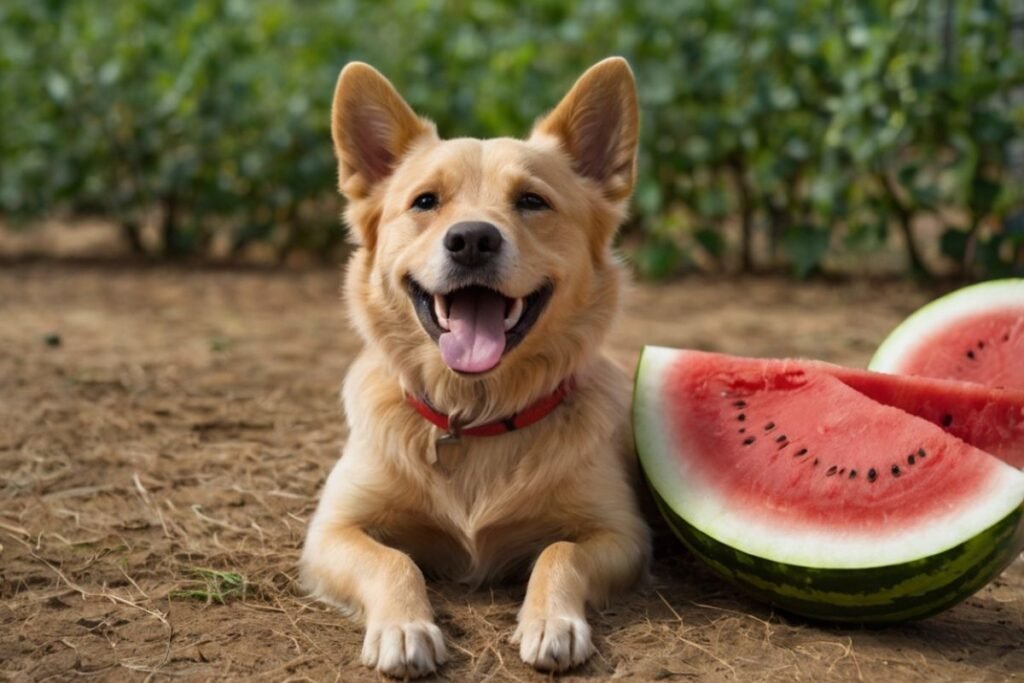
You’re sitting on your porch on a hot summer day. You slice into a fresh, juicy watermelon. The sweet smell fills the air. Then, you see those eyes. Your dog’s hopeful, pleading gaze that says, “Can I have some too?”
As a loving dog parent, you want to share everything with your furry best friend. But you also want to keep them safe. So, the big question is: can dogs eat watermelon safely?
The short answer is yes! However, there’s much more to know. In fact, watermelon can be a wonderful treat for your dog. But like everything else, it comes with rules. Today, we’ll explore every detail together. We’ll talk about the good, the not-so-good, and everything in between.

Table of Contents
Why We Love Watermelon (And Why Dogs Do Too)
First, let’s talk about what makes watermelon so special. This amazing fruit is nature’s way of keeping us cool. It’s over 90% water! Therefore, it’s like a drink and a snack rolled into one.
Dogs love watermelon for many of the same reasons we do. It’s sweet but not too sweet. It’s juicy and refreshing. Plus, it has that satisfying crunch that many dogs enjoy. Also, the mild flavor appeals to most dogs, even the picky eaters.
But here’s what’s really exciting. Watermelon isn’t just tasty. It’s actually packed with good stuff that can benefit your dog’s health. However, before we dive into those benefits, let’s understand what we’re really giving our dogs.
Also read, Can Dogs Eat Apples?
The Science Behind the Sweetness: What’s Really in Watermelon?
Understanding nutrition doesn’t have to be boring. In fact, when it comes to your dog’s health, it’s quite fascinating! Let’s break down what one cup of diced watermelon contains:
- Calories: Just 46 (that’s incredibly low!)
- Water: About 140 grams (amazing hydration)
- Protein: 0.9 grams
- Fat: 0.2 grams (almost none)
- Carbs: 11.6 grams
- Fiber: 0.6 grams
- Natural sugars: 9.4 grams
- Vitamin C: 12.5 milligrams
- Vitamin A: 865 IU
Now, you might think these numbers don’t mean much for dogs. However, they actually tell us a lot! The low calorie count means you can give your dog a satisfying treat without worrying about weight gain. Also, the high water content makes it perfect for hot days.
Furthermore, those vitamins aren’t just filler. They actually support your dog’s health in meaningful ways. But we’ll get to that in just a moment.
The Amazing Health Benefits: Why Your Vet Might Actually Approve
Hydration Station: Keeping Your Dog Cool and Comfortable
During summer, keeping dogs hydrated becomes crucial. Heat stroke in dogs is serious. In fact, it can be life-threatening. Therefore, any extra hydration helps tremendously.
Watermelon acts like nature’s sports drink for dogs. The high water content helps replace fluids lost through panting. Also, unlike plain water, watermelon contains natural electrolytes. These help maintain proper body function.
Many dog parents notice their pets drink less water during hot weather. This is concerning because dehydration happens quickly. However, offering water-rich treats like watermelon can supplement their fluid intake naturally.
Immune System Support: Building Your Dog’s Natural Defenses
The vitamin C in watermelon supports your dog’s immune system. Now, dogs actually make their own vitamin C. However, extra vitamin C still helps, especially during stressful times or illness.
Vitamin A supports healthy skin and coat. If your dog has dry skin or a dull coat, watermelon might help. Also, vitamin A supports eye health and vision.
Furthermore, watermelon contains lycopene. This powerful antioxidant fights free radicals in your dog’s body. Free radicals cause cellular damage and aging. Therefore, antioxidants help keep your dog healthy longer.
Weight Management: A Guilt-Free Treat Option
Many commercial dog treats are high in calories. This becomes problematic for overweight dogs. However, watermelon offers a solution.
With only 46 calories per cup, watermelon satisfies without adding pounds. Also, the natural sweetness appeals to dogs who crave sugary treats. Therefore, you can substitute watermelon for higher-calorie options.
The fiber content, though small, still helps dogs feel full. This means your dog gets satisfaction without overeating. Plus, the act of chewing provides mental stimulation.
The Flip Side: Understanding the Risks Every Dog Parent Should Know
Seeds: The Sneaky Danger Hiding in Plain Sight
Watermelon seeds might seem harmless. After all, they’re small. However, they pose real dangers to dogs. First, seeds can cause intestinal blockages. This is especially true for smaller dogs.
Moreover, if your dog swallows many seeds, they can clump together. This creates a mass that blocks the digestive tract. Surgery might be needed to remove the blockage. Therefore, always remove seeds completely.
Some people think dogs can digest seeds naturally. This isn’t true. Unlike birds, dogs can’t break down hard seeds effectively. Also, even if seeds pass through, they can cause discomfort along the way.
The Rind: Nature’s Tough Exterior That’s Too Tough for Dogs
The watermelon rind presents another challenge. It’s extremely tough and fibrous. Dogs’ teeth and digestive systems aren’t designed to handle such tough material.
If your dog eats rind, several problems can occur. First, it might cause choking. The tough texture doesn’t break down easily when chewed. Also, large pieces of rind can cause intestinal blockages.
Furthermore, rind can cause stomach upset. Your dog might experience vomiting or diarrhea. Therefore, always remove the rind completely before serving.
Sugar Content: When Natural Doesn’t Always Mean Unlimited
Even natural sugars can cause problems in large amounts. While watermelon’s sugar is natural, too much can still upset your dog’s stomach. Also, diabetic dogs need to be especially careful.
Moreover, sudden increases in sugar can cause digestive upset. Your dog might experience loose stools or gas. Therefore, introduce watermelon gradually and in small amounts.
Some dogs are more sensitive to sugar than others. Watch your dog’s reaction carefully. If you notice any digestive issues, reduce the amount or stop offering watermelon altogether.
The Art of Serving: How to Prepare Watermelon Like a Pro
Step 1: Shopping Smart for Your Four-Legged Friend
Choosing the right watermelon makes all the difference. Look for watermelons with deep, uniform color. The surface should be matte, not shiny. Also, check for a creamy yellow spot where it sat on the ground.
Furthermore, tap the watermelon gently. A ripe one sounds hollow. Also, it should feel heavy for its size. This indicates high water content.
Seedless varieties are obviously the best choice. However, if you buy seeded watermelon, don’t worry. You can still use it safely. Just take extra care during preparation.
Step 2: Preparation That Shows You Care
Start by washing the watermelon thoroughly. Use cool water and gentle scrubbing. This removes dirt, bacteria, and potential pesticide residues. Then, dry it completely with a clean towel.
Next, use a sharp, clean knife for cutting. Cut away all the rind completely. Don’t leave any green or white parts. Also, inspect the flesh carefully for seeds.
Cut the watermelon into appropriate-sized pieces. For small dogs, make tiny cubes. Medium dogs can handle slightly larger pieces. Large dogs can have bigger chunks, but nothing too large.
Step 3: Portion Control That Protects
Portion control is crucial for your dog’s health. Too much of anything, even good things, can cause problems. Therefore, follow these guidelines:
Small dogs (under 20 pounds): One to two small cubes Medium dogs (20-50 pounds): Three to four cubes Large dogs (over 50 pounds): Five to six cubes
Remember, treats should never exceed 10% of your dog’s daily calories. Also, adjust regular meals if you’re giving treats. This prevents overfeeding and weight gain.
Creative Ways to Share the Love: Fun Watermelon Treats
Frozen Delights for Hot Days
Frozen watermelon cubes make perfect summer treats. Simply cut seedless watermelon into small cubes. Place them on a baking sheet and freeze until solid. Then, store in freezer bags.
These frozen treats serve multiple purposes. First, they provide cooling relief on hot days. Also, the cold temperature can soothe teething puppies’ gums. Furthermore, frozen treats last longer, providing extended enjoyment.
Watermelon Popsicles: DIY Treats That Show You Care
Making watermelon popsicles is easy and fun. Blend seedless watermelon until smooth. Pour the puree into ice cube trays or special dog treat molds. Freeze until completely solid.
These popsicles are perfect for hot weather. They’re also great for dogs who need encouragement to consume more fluids. Moreover, you can add other dog-safe ingredients like plain yogurt or banana.
Watermelon and Yogurt Combinations
Plain, unsweetened yogurt pairs wonderfully with watermelon. The probiotics in yogurt support digestive health. Meanwhile, watermelon provides hydration and vitamins.
Mix pureed watermelon with plain yogurt. Spoon into small molds and freeze. This creates a nutritious treat that most dogs love. However, make sure your dog tolerates dairy products first.
Special Situations: When Extra Care is Needed
Puppies: Special Considerations for Growing Dogs
Puppies can enjoy watermelon, but they need special attention. Their digestive systems are still developing. Therefore, introduce new foods very gradually.
Start with tiny amounts. Watch for any signs of digestive upset. Also, make sure pieces are appropriately sized to prevent choking. Furthermore, puppies have higher calorie needs per pound, so adjust portions accordingly.
Senior Dogs: Adapting Treats for Aging Bodies
Senior dogs often have more sensitive digestive systems. They might also have health conditions that affect how they process foods. Therefore, consult your veterinarian before introducing watermelon.
However, many senior dogs enjoy watermelon’s soft texture. It’s easier to chew than harder treats. Also, the extra hydration can be beneficial for kidney function.
Dogs with Health Conditions: When Professional Guidance is Essential
Diabetic dogs need careful monitoring of sugar intake. Even natural sugars can affect blood glucose levels. Therefore, work with your veterinarian to determine if watermelon is appropriate.
Dogs with kidney disease need special consideration. While hydration is generally good, the potassium content in watermelon might be concerning. Your vet can help determine if it’s safe.
Overweight dogs can benefit from low-calorie treats like watermelon. However, all calories count when managing weight. Therefore, factor watermelon into the overall daily calorie budget.
Recognizing Problems: Signs That Mean “Stop Right Now”
Every responsible dog parent should know warning signs. If you notice any of these symptoms after giving watermelon, stop immediately:
- Vomiting or retching
- Diarrhea or loose stools
- Loss of appetite
- Excessive drooling
- Signs of abdominal pain
- Difficulty defecating
- Unusual lethargy
Most dogs tolerate watermelon well. However, individual sensitivities can occur. Therefore, always monitor your dog after introducing any new food.
If symptoms persist or worsen, contact your veterinarian immediately. Quick action can prevent minor issues from becoming serious problems.
Beyond Watermelon: Building a Healthy Treat Arsenal
Other Dog-Safe Fruits to Consider
Blueberries make excellent treats. They’re small, convenient, and packed with antioxidants. Also, most dogs love their sweet-tart flavor.
Apples provide crunch and vitamins. However, always remove seeds and core first. The seeds contain compounds that can be harmful to dogs.
Strawberries offer vitamin C and natural sweetness. Cut them into small pieces to prevent choking. Also, introduce gradually to avoid digestive upset.
Bananas provide potassium and natural energy. However, they’re higher in calories than watermelon. Therefore, give smaller portions.
Creating a Rotation System
Variety keeps things interesting for your dog. Also, different fruits provide different nutrients. Therefore, consider rotating treats throughout the week.
Monday might be watermelon day. Wednesday could be blueberry day. Friday might feature apple slices. This system provides variety while maintaining routine.
Seasonal Considerations: Making the Most of Nature’s Schedule
Peak Season Benefits
Watermelon season varies by location. In many areas, peak season runs from May through September. During this time, watermelons are freshest, sweetest, and most affordable.
Also, peak season aligns perfectly with hot weather. This is when dogs need extra hydration most. Therefore, nature provides the perfect timing.
Off-Season Options
During off-season, fresh watermelon might be expensive or less flavorful. However, you can prepare ahead. Freeze watermelon pieces during peak season for year-round use.
Frozen watermelon maintains most of its nutritional value. Also, it provides the same hydration benefits when thawed. Therefore, you can offer this healthy treat year-round.
Building Trust Through Consistency: The Key to Success
Starting Slow and Building Confidence
When introducing watermelon, patience is crucial. Start with tiny amounts. Watch your dog’s reaction carefully. If all goes well, gradually increase portion size.
This approach builds your dog’s digestive tolerance. It also helps you identify any sensitivities early. Moreover, it creates positive associations with the new treat.
Maintaining Routine and Expectations
Dogs thrive on routine and consistency. If you decide to include watermelon in your dog’s treat rotation, maintain regular patterns. This helps with digestion and prevents overexcitement.
Also, consistent portion sizes help maintain proper weight. Furthermore, routine makes it easier to monitor your dog’s overall health and reactions.
The Bottom Line: Love, Care, and Common Sense
Watermelon can be a wonderful addition to your dog’s treat repertoire. It provides hydration, nutrients, and enjoyment. However, like all good things, it requires thoughtful approach.
Always prioritize safety over convenience. Remove seeds and rind completely. Start with small portions. Monitor your dog’s reactions carefully. When in doubt, consult your veterinarian.
Remember, the best treats are those given with love and attention. Your dog doesn’t just want the food. They want the connection and care that comes with it. Therefore, make treat time special for both of you.
Final Thoughts: Sharing Summer Joy Safely
Those hopeful eyes looking up at you during watermelon time don’t have to be disappointed. With proper preparation and moderation, you can safely share this refreshing treat with your beloved companion.
The key is balancing your desire to spoil your dog with responsible pet parenting. Watermelon offers a perfect opportunity to do both. It’s healthy, refreshing, and most dogs absolutely love it.
So next time you slice into a juicy watermelon, go ahead and prepare a few cubes for your furry friend. Watch their tail wag with excitement. Enjoy the pure happiness in their eyes. These moments of shared joy are what make the human-dog bond so special.
Just remember: remove those seeds, skip the rind, keep portions reasonable, and always prioritize your dog’s health and safety. With these simple guidelines, watermelon can become a beloved summer tradition for both of you.
After all, the best part of any treat isn’t just the eating. It’s the love and care behind the giving. Your dog already knows you love them. Sharing a refreshing watermelon treat on a hot day is just another way to show it.

Shahriar Robin is the creator of WhatPetsCanEat.com, a passionate pet lover and dedicated cat dad to Rio, a curious two-year-old orange feline who inspired this website. With a love for animals and a knack for research, Shahriar shares trusted, easy-to-understand information to help fellow pet owners make safe, healthy food choices for their furry friends.